
Kling 3.0 & 3.0 Omni
VIDEO 3.0 and VIDEO 3.0 Omni — multimodal video with Native Audio and long-form storyboard control.

I opened kling.ai and landed on “All-New KlingAI 3.0 Series — All in One, One for All.” VIDEO 3.0 and VIDEO 3.0 Omni sit in the hero copy with Native Audio and long-form storyboard language. Kling AI notes is a notebook from that evening, not a mirror of their homepage.
The global nav already names Omni, Video Generation, Image Generation, Sound Generation, and Effects. Create Now is the main button on their host. I did not log in or spend credits — mapping the 3.0 catalog and saving official showcase files was enough for one sitting.
Lineup
Nothing from other vendors — only what the KlingAI 3.0 Series block and AI Tools menu support. Turbo is the speed lane; Omni covers the multimodal video and still pair.
VIDEO 3.0 and VIDEO 3.0 Omni — multimodal video with Native Audio and long-form storyboard control.
Fast VIDEO 3.0 lane for shorter turnaround on text and image starts.
Still generation and editing under the same 3.0 Omni architecture.
Official assets
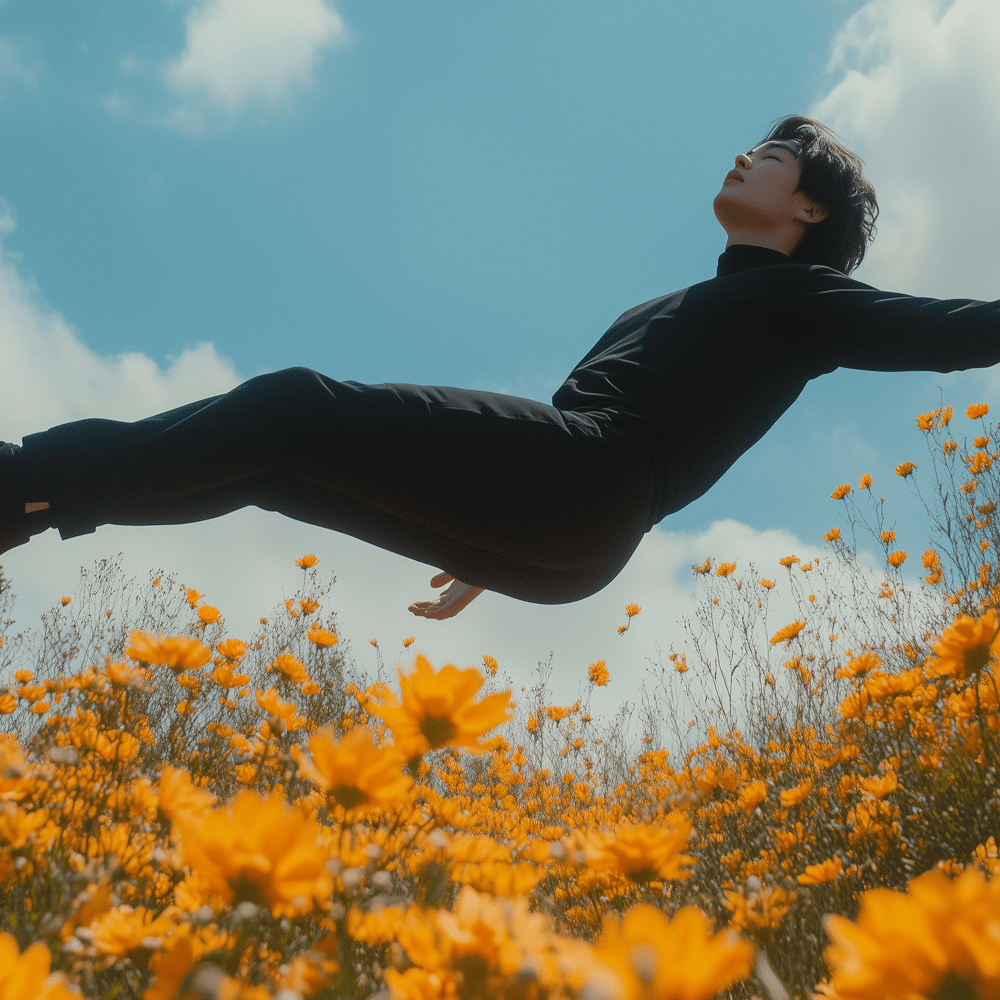
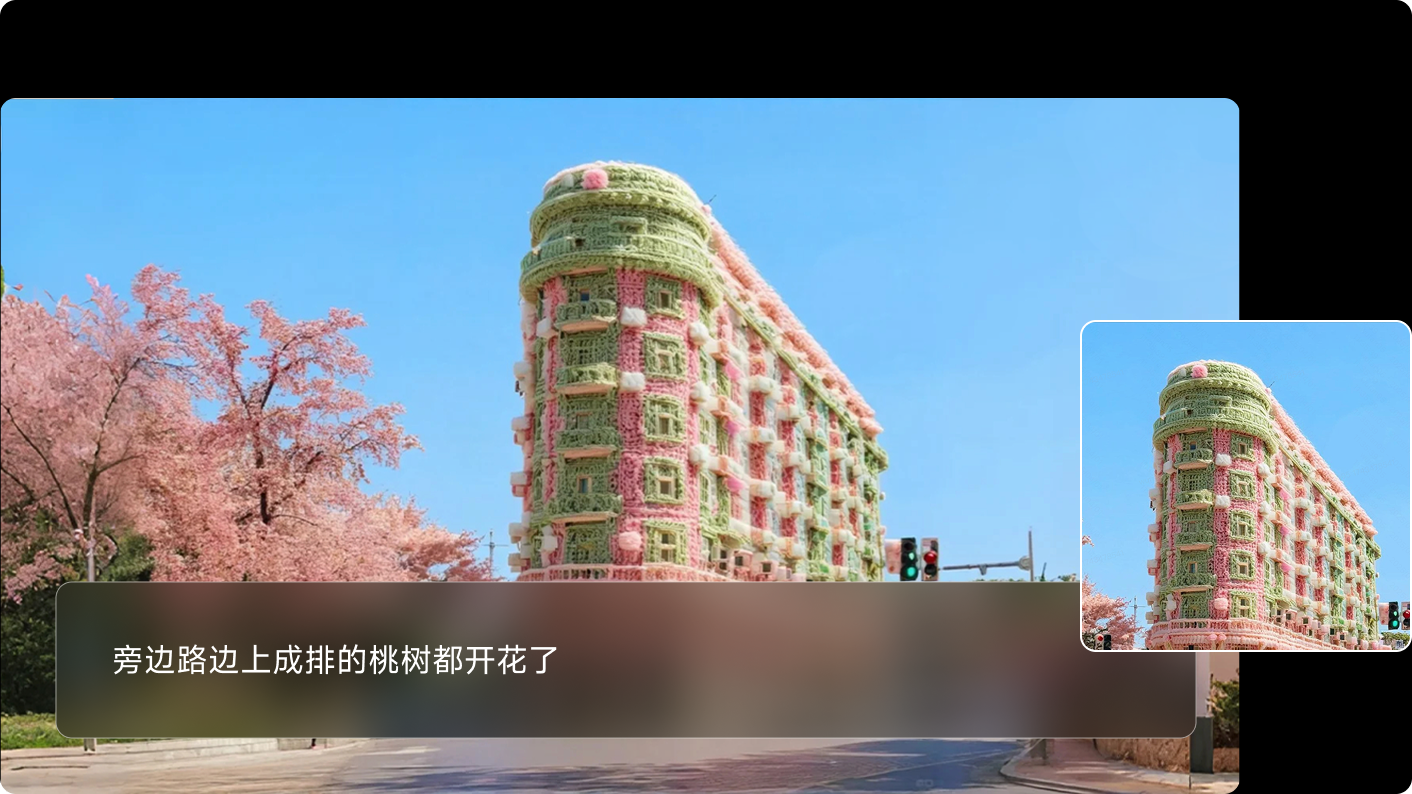
Every file below is from their marketing CDN or product gallery — not stock filler. Posters ship beside mp4s so the grid stays readable before playback. Image cards are PNG stills from the same source set.



Rooms
Video generation, image generation, and video effects are three doors in AI Tools — not labels I invented for SEO padding.
After the visit
Kling AI presents itself as a next-generation video and image generator. The browser title and hero both say “Kling AI Video and Image Generator.” Under that, the All-New KlingAI 3.0 Series block explains VIDEO 3.0 and VIDEO 3.0 Omni in long-form marketing prose: deep multimodal instruction parsing, cross-task integration, Native Audio, visual identity bound to vocal tone, and storyboard control across multi-scene transitions.
The global header on kling.ai/global/ lists Creative Studio beside API Platform, Blog, Pricing, and Documentation. AI Tools groups Omni, Video Generation, Image Generation, Sound Generation, Effects, and More Tools. Mobile apps for iOS and Android appear in the footer cluster. That layout tells you the product is a full studio, not a single prompt box.
VIDEO 3.0 Omni is the name I would pick when a clip needs audio decoupling and several modalities in one instruction. Kling 3.0 Turbo is the faster sibling when turnaround matters more than every Omni knob. Kling Image 3.0 & 3.0 Omni covers stills, expansion, and edits in the same generation family — details in the model catalog.
Live product: official Kling AI website. Version write-ups and scenario pages on this host follow how kling.ai splits URLs, not an attempt to pad a grid with invented modes.
Scenarios
Each card maps to a lane I saw named on marketing surfaces or in the saved asset set. Spelling stays official.
Prompt-only starts when no still exists yet.
One frame as the opening beat of a clip.
Guide camera and subject motion from a reference.
Garment and product placement on a person or scene.
Several stills stitched into one narrative clip.
Worth the click
Official copy ties VIDEO 3.0 Omni to instruction parsing across modalities, not a bolt-on audio track. If your brief mixes dialogue, camera, and character identity, that is the name on the tin.
Kling 3.0 Turbo stays in the catalog as a speed lane. I would not assume every Turbo export carries the same Native Audio story as Omni — pick the chip that matches the job.
Image Generation sits beside Video Generation in the nav. Virtual try-on and expansion stills in the showcase prove the image room is shipping, not a future teaser.
Video Effects is not buried inside generation. Stylized transforms on footage you already have get a labeled door — useful when the clip exists and the look does not.
Omni, Turbo, or Image — the studio hosts the real composer. Buttons here only open a short note.
Fit
VIDEO 3.0 marketing emphasizes long-form storyboard control and multi-scene transitions. If your cut is one continuous five-second gag, Turbo may be enough.
Virtual Try-On and Image to Video paths assume you have frames on disk. Empty folder, empty mode — start with Text to Video or generate stills in the image room first.
API Platform and Documentation sit in the global header on kling.ai. Browser Create Now remains; the API is a parallel door for pipelines, not a replacement name for VIDEO 3.0.
Native Audio and dual binding of visual identity and vocal tone are Omni talking points. Worth the Omni chip when lip sync and voice matter in the same export.
Questions
Kling AI is Kuaishou’s consumer studio at kling.ai for AI video and stills. The homepage headline reads “Kling AI Video and Image Generator,” with an All-New KlingAI 3.0 Series banner above Create Now. AI Tools in the nav list Omni, Video Generation, Image Generation, Sound Generation, and Effects. This page is my notebook from that visit, not their product UI.
Three names I kept: Kling 3.0 & 3.0 Omni for VIDEO 3.0 and VIDEO 3.0 Omni, Kling 3.0 Turbo for the faster lane, and Kling Image 3.0 & 3.0 Omni for stills. Official copy on the homepage ties VIDEO 3.0 to multimodal instruction parsing, Native Audio, and long-form storyboard control.
Text to Video starts from a prompt alone. Image to Video locks the first frame to a still you upload. Multi-Image to Video is the pack path when several references must survive one cut. Motion Control is a separate lane for camera and subject guidance. I did not merge those into one generic “video” page because the studio already splits them.
The studio itself is on the official Kling AI website. Pricing, API Platform, documentation, and the mobile apps sit there too. This site is notes only — primary buttons here open a local dialog, not checkout.
Both. Image Generation is a first-class nav item, and the 3.0 series includes Kling Image 3.0 & 3.0 Omni. Official marketing stills in the showcase include virtual try-on and image expansion examples I saved locally. Video Effects is its own room for stylized transforms, not a hidden submenu.
Sound Generation appears beside Video and Image in AI Tools. I did not build a separate audio page because these notes focus on the 3.0 video and image catalog the homepage pushes hardest. API Platform and Documentation are linked from the global footer on kling.ai; I mention them here but did not stress-test an API key for this write-up.
Reader notes
Omni vs Turbo finally clicked once I stopped treating them as marketing synonyms. Native Audio is the reason I would pick Omni for dialogue-heavy cuts.
Rachel Kim · 5 out of 5
The showcase grid matches what kling.ai actually ships — multi-image and motion-control mp4s beside try-on stills. No fake players.
Marcus Webb · 5 out of 5
Image expansion as its own card helped me see Kling Image 3.0 & 3.0 Omni as a real room, not a video side effect.
Priya Nair · 4 out of 5
Video Effects separated from generation saved me from uploading twice. Effects room is vague on controls until you log in, but the label is honest.
Jonah Ellis · 5 out of 5
API Platform in the footer answered the “browser only?” question. I have not pasted a key yet; the nav link was enough for planning.
Sofie Brandt · 4 out of 5
I would go back for a paid run if I needed to confirm 4K export limits and credit pricing — this page stops at what was visible without logging in. Three 3.0 names, five use-case lanes, eleven showcase files — that is what the notebook covers. Credits and Create Now stay on kling.ai.